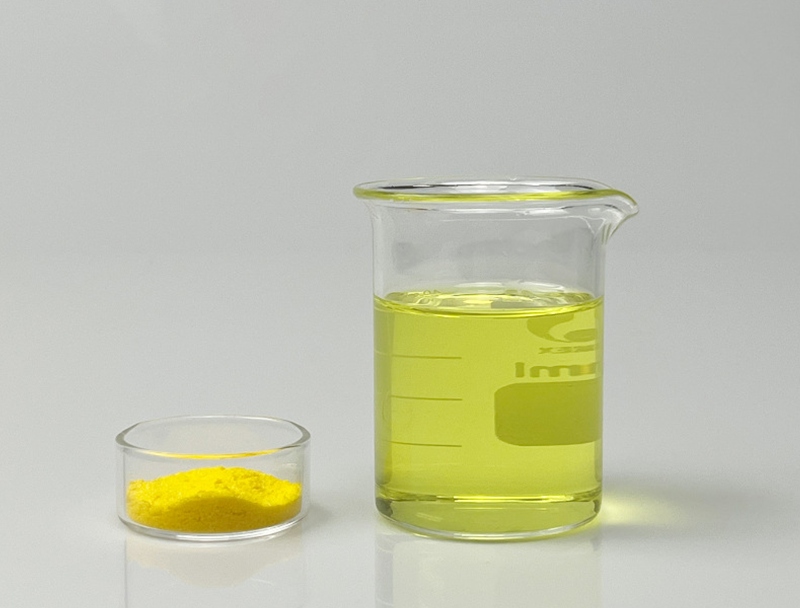
traceable organic-compatible items packaged calcium alpha-ketoglutarate
Large-scale bioproduction hinges upon a diverse spectrum of substrates to yield progressive bio-based commodities.
Preserving ethical acquisition of feedstocks remains essential to industry resilience and responsible expansion.
many concerns related to standard raw input procurement such as ecological damage and resource depletion. Accordingly, companies are required to implement regenerative sourcing methods to mitigate footprints.
- Cases of responsible feedstock strategies feature:
- Adopting organic-origin materials from crop remnants
- Operating reuse-focused platforms to lower discard and increase efficiency
- Teaming up with provincial partners who practice sustainable procurement
The transition to greener sourcing offers both planet-friendly outcomes and business advantages.
Tuning Feedstock Characteristics for Higher Biofuel Efficiency
Maximizing the efficiency of biofuel production relies heavily on the quality and composition of biomass feedstocks. Technologists actively pursue refinements to increase feedstock efficiency, resulting in superior production volumes and sustainable energy gains. Tactics include molecular breeding to increase biomass and chemical or physical pretreatments to release sugars.
- Additionally, researchers are focusing on identifying new sources of biomass, such as algae, waste products, agricultural residues, to expand the range of sustainable feedstocks available for biofuel production.
- Via sustained research the industry stands ready to accomplish considerable improvements that enable a greener energy transition.

Next-Generation Upstream Methods in Biopharmaceuticals
represents the initial stages of biopharmaceutical manufacturing, encompassing all steps from cell culture and cell harvesting Ongoing innovations have accelerated process enhancement leading to greater yields.
Crucial progress includes L-Carnosine proprietary cell systems, optimized growth media, and adaptive bioreactor architectures. These refinements escalate production and lower expenses and environmental strain.
- In addition, momentum toward nonstop processing offers improved flexibility and optimized operational flow.
- Embracing sophisticated manufacturing strategies is poised to change industry norms and shorten development cycles.

Advances in Gene Editing to Boost Therapeutic Production
progresses in gene editing technologies, such as CRISPR-Cas9, have revolutionized the production of biopharmaceuticals. With exact genomic alterations, researchers improve host productivity for therapeutic manufacture. Such strategies offer promise to create cost-effective, high-efficiency therapeutics across many disease areas.
Biodegradation Strategies Using Targeted Microbial Cultures
state-of-the-art biological cleanup solutions using targeted microbial actions. Microbial communities can biotransform hazardous materials into lower-risk substances. Tapping into these capabilities enables green remediation tactics to restore ecosystems affected by industrial contamination.. Scientists are actively exploring a wide range of microbial species with diverse metabolic capabilities to target various pollutants, including heavy metals, pesticides, oil spills.. The microbes may be applied within engineered reactors or in situ to catalyze pollutant degradation via biotransformation..
The use of microbial biotechnology in bioremediation offers several advantages over conventional methods. Microbe-driven cleanup typically costs less and generates fewer dangerous byproducts. Also, microbial interventions offer targeted remediation that minimizes collateral ecosystem disturbance. Research efforts persist to upgrade the potency and implementation of microbial remediation strategies.
The Role of Bioinformatics in Drug Discovery and Development
Bioinformatics techniques are integral to present-day therapeutic development workflows. From target discovery through candidate optimization, bioinformatics facilitates streamlined, hypothesis-guided workflows.
- With analysis of broad omics and clinical datasets, bioinformatic experts identify targets and model drug effects.
- Additionally, simulation tools enable prediction of binding and activity, guiding creation of more potent drugs.
- In the end, informatics-driven methods streamline development and accelerate delivery of therapeutic solutions to patients.
Pathway Engineering for Greater Bioproduct Yields
implements many strategies to improve microbial output of desired bioproducts. Options include metabolic rerouting via gene edits, expression tuning through regulatory control, and incorporation of foreign enzymes to expand function.. By refining pathway flux and regulation engineers can significantly raise bioproduct production.
This multifaceted approach has the potential to revolutionize a broad range of industries, including biopharmaceuticals, agriculture, and bioenergy.

From Lab to Plant: Challenges and Opportunities in Biomanufacturing Scale-Up
Expanding production volumes poses difficult barriers yet offers substantial opportunities. Sustaining uniform quality across expanded production capacity is a principal challenge. Managing it necessitates robust automation, high-fidelity monitoring, and powerful analytical capabilities.

Additional complexity arises because biopharma production entails many coordinated stages.. Reengineering workflows for mass production involves rigorous R&D and inventive technology deployment.. Nonetheless, the advantages can be major. Proper scaling can increase therapy supply, reduce expenses, and elevate profitability.
Several projects are designed to mitigate these scaling barriers. Initiatives involve optimization platforms, high-resolution analytics for process control, and novel manufacturing frameworks.
- Research and development activities are central to evolving manufacturing capacity.
- Regulatory bodies are modernizing pathways to accelerate approval of advanced production technologies and support innovation.
Aligning Biomanufacturing with Regulatory Standards for Patient Safety
Advancing biopharmaceuticals involves heavy regulatory scrutiny to secure product safety and proven efficacy. Biologically based treatments require tailored oversight and production controls beyond those for typical medicines.
Regulatory authorities including FDA and EMA are central to creating criteria and processes for approving innovative biologics..
Extensive evaluation procedures are essential across development phases, spanning preclinical work to post-market checks.. Those requirements help reveal risks and confirm that biologics satisfy stringent safety criteria..
Similarly, regulators iteratively adjust approaches to accommodate emerging biopharmaceutical breakthroughs.. Strategies include welcoming technological advances and simplifying development while prioritizing patient safety.
Plant-Based Biomass Options for Bioplastic Manufacturing
The rising demand for eco-friendly materials fuels R&D on bio-based alternatives. Plant-derived biomass as input for bioplastics represents a practical route toward greener materials. Sources like cornstarch, cellulose fibers, and sugarcane biomass can transform into compostable plastics that decompose and reduce pollution.
Also, many renewable bioplastics exhibit comparable mechanical and functional traits to conventional plastics across applications.. Sustained research efforts are necessary to optimize plant feedstocks for mass bioplastic production and enable circularity.
Emerging Biotech Solutions for Health and Food Security
Biotechnology has emerged as a powerful tool with the potential to revolutionize global health and address food security challenges. Using genome engineering, synthetic biology techniques, and cell-based treatments, innovators devise ways to tackle pathogens, amplify yields, and improve nutrition.. A concrete example includes modified crops engineered for pest and stress tolerance that yield more while decreasing pesticide needs. Likewise, biotechnology enables new vaccines, novel therapeutics, and improved diagnostics essential to global disease mitigation and better health.. With persistent development, biotech stands to offer transformative solutions for global health and long-term food security.
 Calcium alpha-ketoglutarate